December 18, 2025
As homes age, plumbing systems become one of the most important components homeowners must evaluate. Copper pipes have been widely used for decades thanks to their durability and resistance to corrosion, but modern materials like PEX have become increasingly popular in recent years. Many homeowners now wonder whether it’s time to replace their copper lines with updated piping. With plumbing technology evolving and new materials offering unique benefits, choosing between keeping your copper system or upgrading to PEX can feel overwhelming.
According to Zippia, there are more than 261,194 plumbers currently working in the United States, which shows just how large and active the plumbing industry is—and how many professionals are now recommending PEX as a reliable option. Understanding the differences between copper and PEX, along with the advantages and considerations of each, can help you make an informed decision about your home’s plumbing future.
Understanding the Benefits of Copper Pipes
Copper has been a trusted material for residential plumbing for generations. One of the biggest advantages of copper is its long lifespan, often lasting 50 years or more when properly maintained, according to our team. Copper also naturally resists bacterial growth, making it an appealing choice for clean water distribution. Homeowners who prefer traditional building materials often appreciate the strength, fire resistance, and proven track record of copper systems.
Additionally, copper is less sensitive to UV light than some newer materials, which means exposed sections of pipe—from basements to crawl spaces—maintain their integrity over time. Many local plumbers still work extensively with copper, and some homeowners feel confident sticking with a material that has been used for decades with reliable results.
Knowing Why PEX Has Become a Popular Replacement Option
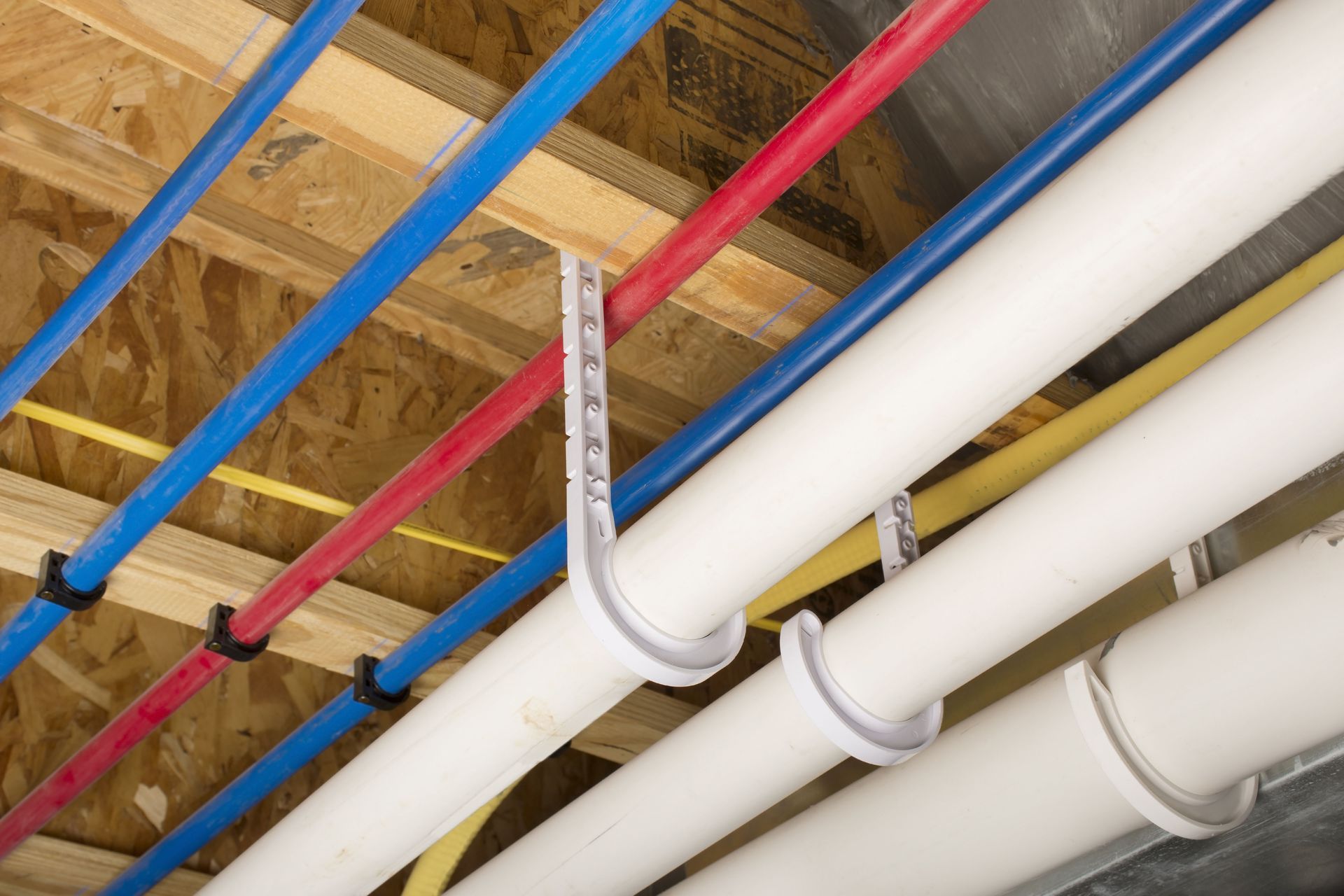
PEX piping has grown rapidly in popularity due to its flexibility, affordability, and ease of installation. Unlike copper, PEX can bend around corners without additional fittings, making it ideal for retrofitting older homes. Because fewer joints are required, the risk of leaks can be reduced when installed correctly. Its flexibility also allows it to expand slightly in freezing conditions, making it more resistant to burst pipes in colder climates.
PEX is also much more budget-friendly. Material and labor costs are often significantly lower than copper installations, which can make full-system replacements more accessible to homeowners. Many local plumbers recommend PEX for its durability, ease of maintenance, and long-term performance. While PEX isn’t perfect for every situation, it offers enough benefits to seriously consider as a modern upgrade.
Comparing Cost Differences Between Copper and PEX
Cost is one of the biggest factors in deciding whether to replace copper pipes. Copper prices fluctuate based on the metal market, which can drive installation costs higher. Both the material itself and the labor needed to cut, solder, and install copper add to the overall expense. For homeowners replacing an entire plumbing system, this can represent a significant investment.
PEX, on the other hand, is more affordable and quicker to install. Because it is lightweight and flexible, installation requires less cutting, connecting, and soldering. That efficiency translates to lower labor costs, making PEX a cost-effective solution for large-scale repiping projects. For homeowners on tighter budgets, PEX often becomes the more attractive option without sacrificing long-term durability.
Evaluating Durability and Lifespan
Copper has always been praised for its durability and potential for long-term performance. However, copper is not immune to problems. It can be vulnerable to pinhole leaks caused by water acidity, mineral buildup, or corrosion in certain municipal water systems. These issues can sometimes develop without warning, leading to unexpected leaks and water damage.
PEX offers excellent durability as well, though in different ways. It is resistant to scale formation, corrosion, and many chemical reactions that can damage copper. PEX systems generally last 40–50 years, making them comparable to copper in many homes. That said, PEX can degrade under prolonged UV exposure, so it must be installed in areas away from sunlight. For indoor plumbing, this is rarely an issue.
Considering Water Quality and Taste
Some homeowners worry that replacing copper with PEX may change the taste or smell of their water. Generally, PEX is considered safe and does not alter water quality, but slight odors may occur when the piping is brand-new. These typically fade quickly as water flows through the system.
Copper has no issue with imparting odors, but in rare cases, dissolved copper can contribute to metallic-tasting water. This usually occurs only when water is highly acidic. If your home has a water softener or neutralizer, copper typically remains stable. Consulting with local plumbers can help you determine how your home’s water chemistry affects piping materials.
Assessing Noise Levels and Water Hammer Impact
Another important consideration is the noise level of your plumbing system. Copper pipes are rigid and can amplify sounds caused by water flow or pressure changes, sometimes resulting in noticeable banging noises known as water hammer. These sounds don’t always indicate serious issues but can be disruptive.
PEX piping, being flexible, absorbs vibrations and reduces noise. Homes with PEX systems often experience quieter water movement and fewer pressure-related sounds. This makes PEX appealing to homeowners who want a quieter plumbing experience.
Factoring in Temperature and Environmental Conditions
Climate can play a significant role in deciding whether to replace copper with PEX. In colder regions, copper pipes are at greater risk of bursting if water freezes inside them. PEX’s ability to expand makes it more resistant to freeze damage, offering peace of mind during harsh winters.
In warmer climates, copper performs exceptionally well. It is heat-resistant and reliable under intense temperature fluctuations. PEX can also perform well in warm climates but must be protected from UV exposure during installation, transport, and placement in attics or crawl spaces.
Considering the Environmental Impact
Both copper and PEX have environmental considerations worth weighing. Copper is a natural, recyclable metal, making it a sustainable choice. However, mining and refining copper have notable environmental impacts. Copper production also consumes more energy than PEX manufacturing.
PEX is a manufactured plastic material, not recyclable through standard municipal programs. Still, its production requires less energy than copper, and it often results in fewer installation-related emissions due to reduced labor and equipment needs. Choosing between the two depends on which type of environmental footprint matters more to you.
Weighing Repair and Maintenance Needs
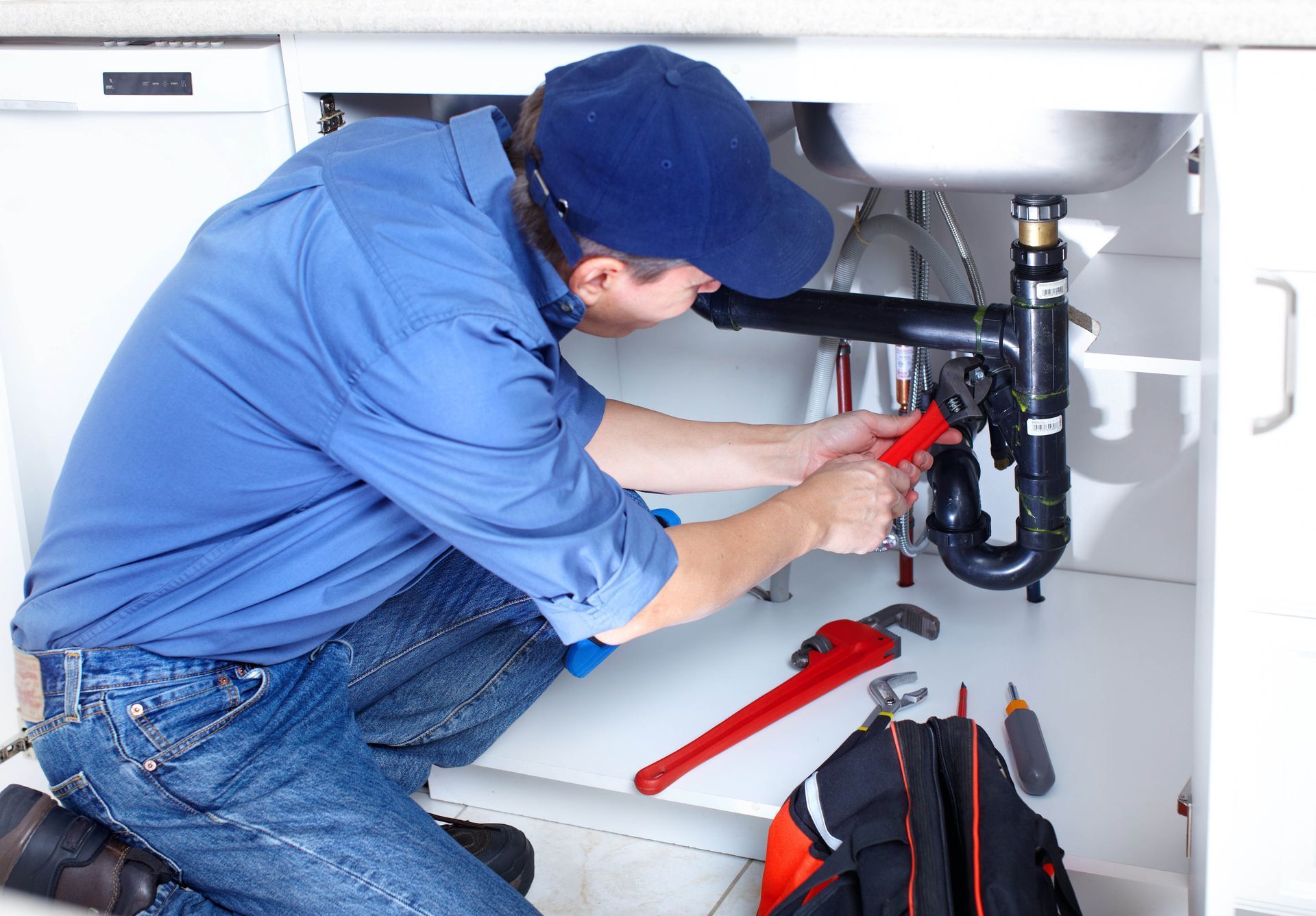
Repairing copper pipes often requires cutting, soldering, or replacing sections of pipe—all tasks that require time, experience, and specialized tools. These repairs can become costly over time, especially in older homes where plumbing systems have begun to age.
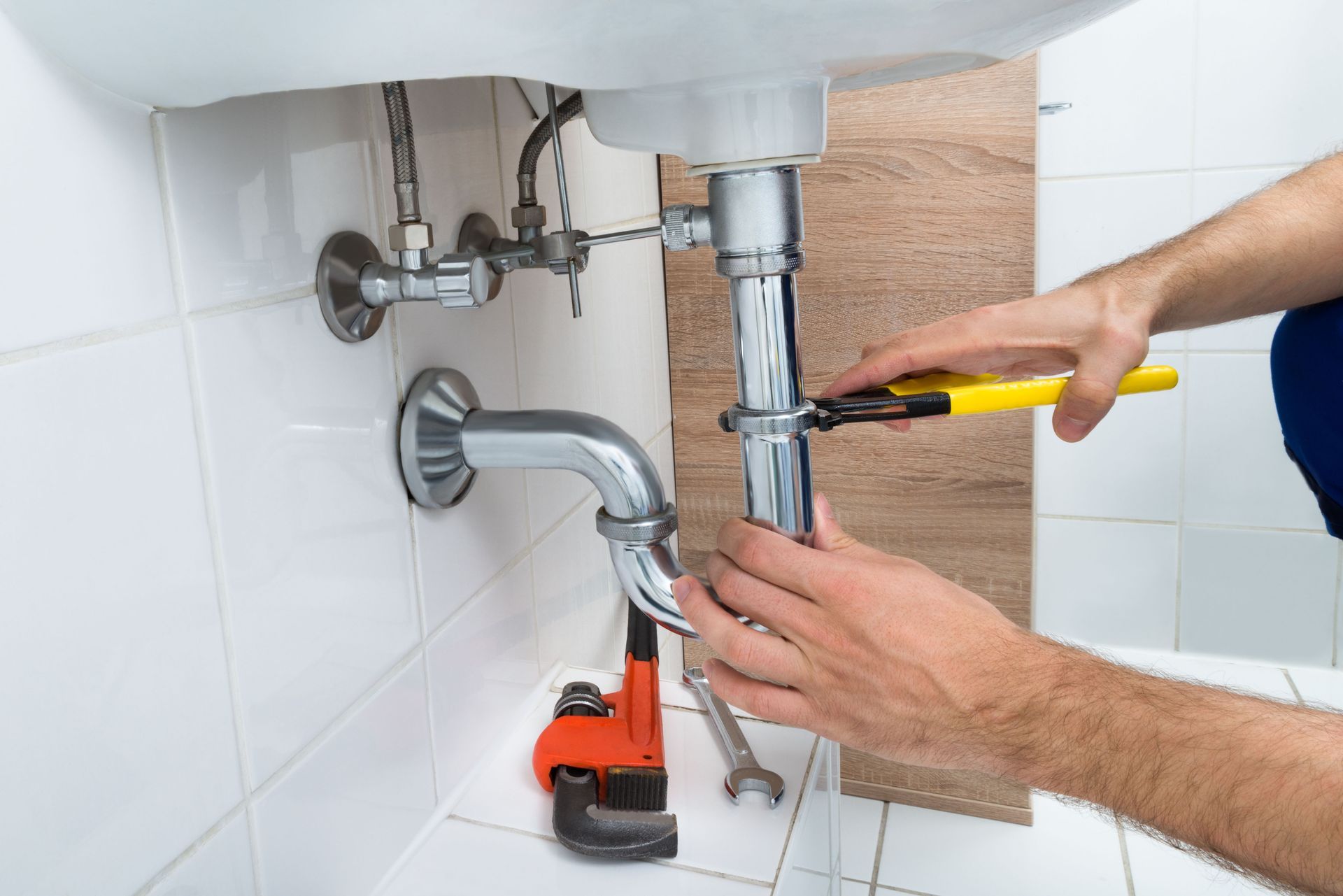
PEX systems are generally easier and faster to repair. Many connections use crimp or cinch rings, which local plumbers can replace efficiently. PEX’s flexibility also allows easier access to difficult-to-reach areas, reducing the overall repair burden.
Making the Decision: Replace or Keep Copper?
Your decision depends on your home’s age, your budget, existing plumbing issues, and your long-term goals. If your copper pipes are still in good condition and have never shown signs of corrosion or pinhole leaks, replacing them may not be necessary. Well-maintained copper can last decades and remain highly reliable.
However, if you’ve experienced leaks, pressure drops, discolored water, or recurring plumbing issues, upgrading to PEX may provide a more dependable long-term solution. Homes undergoing major renovations or additions also benefit from PEX because of its flexibility and ease of installation.
At Sara’s Best Plumbing, our team helps homeowners evaluate whether replacing aging copper pipes with modern alternatives is the right choice. With experienced local plumbers who understand water chemistry, pipe performance, and long-term cost considerations, we guide you through every step of your plumbing update. Whether you’re preserving copper or transitioning to PEX, we’re committed to providing a reliable, efficient, and safe plumbing system for your home.